
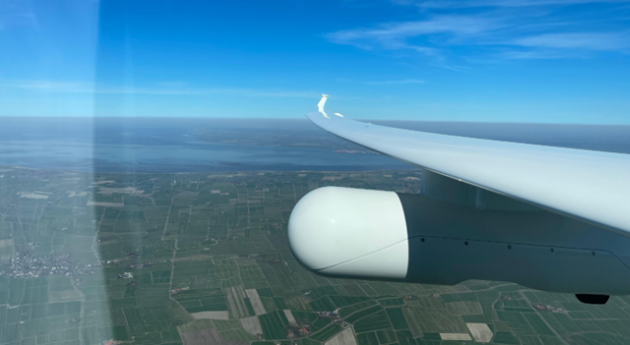
In April 2025, an exciting milestone was reached as a live flight campaign took place over a museum railway line between Dornum and Norden in northern Germany, marking a major step forward in smarter railway monitoring.
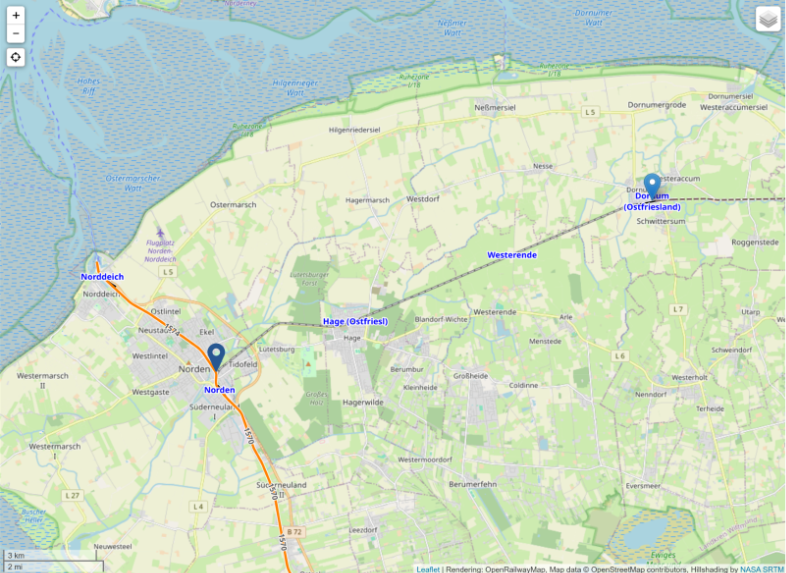
Unlike controlled test environments, this demonstration was carried out over a real railway corridor. The route runs through a mix of urban areas, farmland, and wooded landscapes, making it an ideal setting to test how the technology performs under realistic conditions. A dedicated section near Lütetsburg, Germany was used to safely introduce test obstacles, allowing teams to evaluate how well the system can detect potential issues along the tracks.
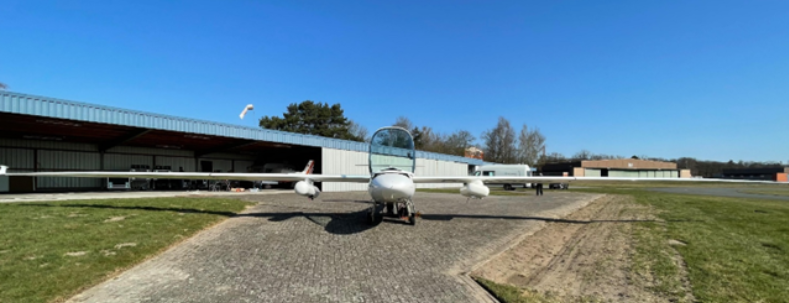
During the flights, an airborne system equipped with advanced sensors captured detailed data of the railway below. This included Synthetic Aperture Radar (SAR)—a technology that can “see” in all weather and lighting conditions—and visual (VIS) cameras that capture detailed images. Together, these sensors collected comprehensive data about the railway environment, along with precise location information.
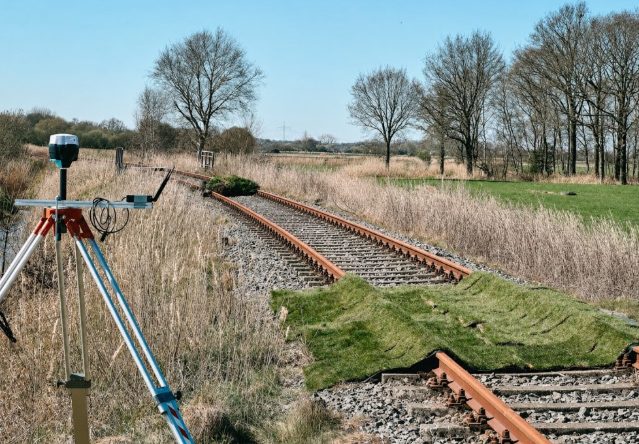
A key goal of the demonstration was to detect potential obstacles or anomalies along the railway. Instead of simply producing images, the system is designed to provide clear, location-based alerts indicating where something unusual may be present on or near the tracks. This can help railway operators respond faster and more effectively. We can see obstacles were placed on the demonstration rail track in following image.
The live demonstration was attended by ISR (Serbian Railways), representing the end-user perspective and helping assess how the solution could support real operations.
During the flight campaign, selected data and system updates were transmitted to the ground team in real time, helping monitor progress. Meanwhile, the complete SAR and VIS datasets were securely recorded on board and later transferred for detailed analysis. This approach ensured that the results were based on real measurements from an actual railway setting—not a simulated test track.
By combining real-world flight data with advanced processing, the campaign successfully showed how the IIMEO system can identify potential risks along railway corridors. The recorded data can also be reused for further testing and validation, ensuring consistent and reliable performance.
This successful demonstration marks a significant step toward smarter, more proactive railway monitoring—bringing innovation from the sky directly to the tracks.